If you know your grandparents or any elderly people chances are high that they’ve talked about ‘the olden days’ and how hard it was. Many lived through the great depression of the 1930s or were raised by parents who did and had to learn to scrimp and save every little bit of everything. They have some great wisdom when it comes to ways to save big by ‘making due’. Here are a few of my favorite timeless money-saving tips to help you save big.
Eat at home
Eating out can be very expensive. Even ordering in costs a lot as we discovered this week when Razz and I decided to treat ourselves to Chinese food. We ordered take-out to bring home and only ordered a meal for 2 and one extra side. Our bill was over $70!! We were blown away! This type of meal is a rare treat for us as we can always think of better ways to use our money.
Cooking from scratch and eating at home was all they knew back in the day. If you don’t know how to cook from scratch, there are many recipes and tutorials online to help you get started. Avoid convenience foods that are often full of extra salt and fat by making your own. Chicken nuggets are an easy one to start with as well as baked goods. Anyone can bake, it’s not nearly as difficult as you might think.
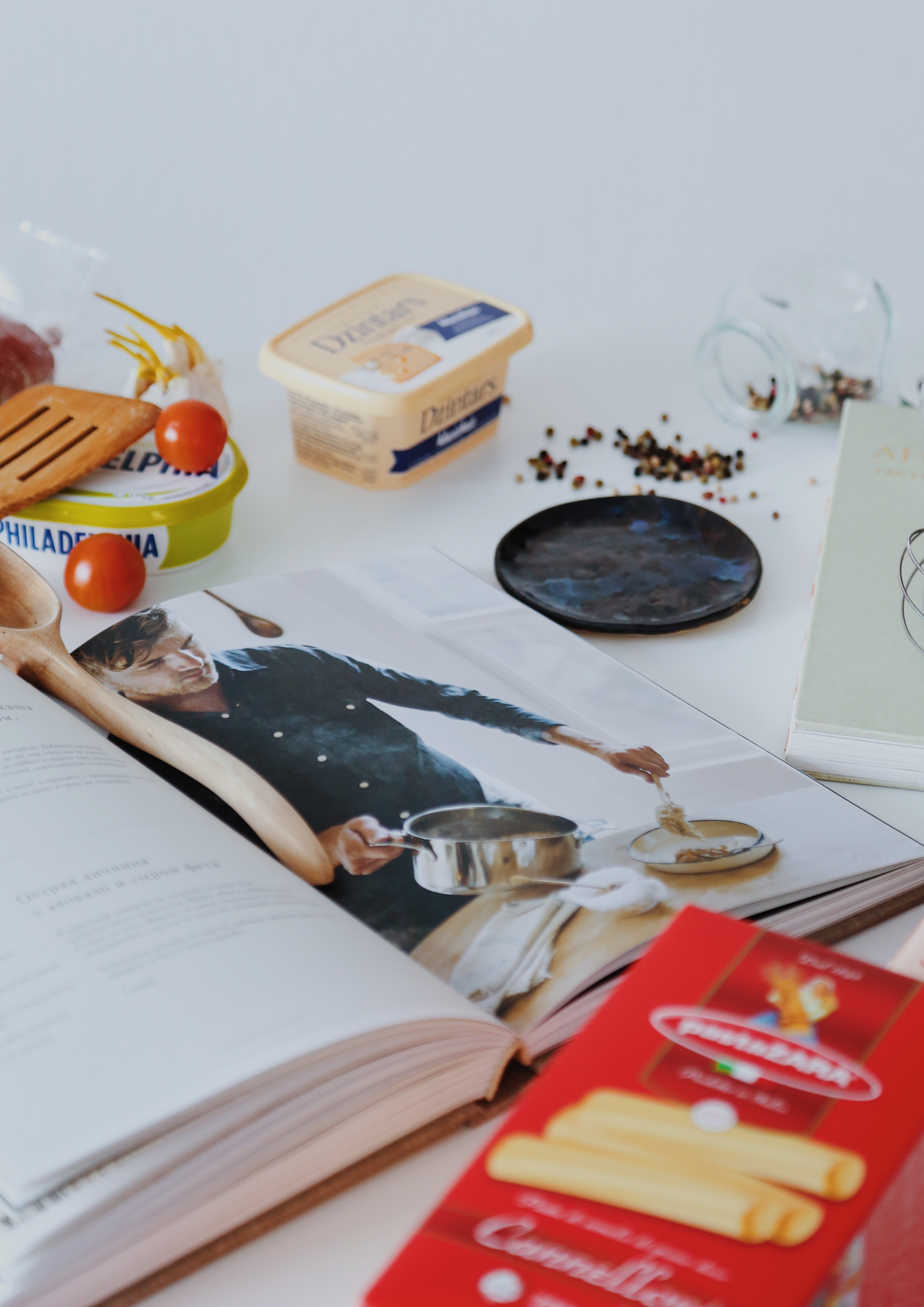
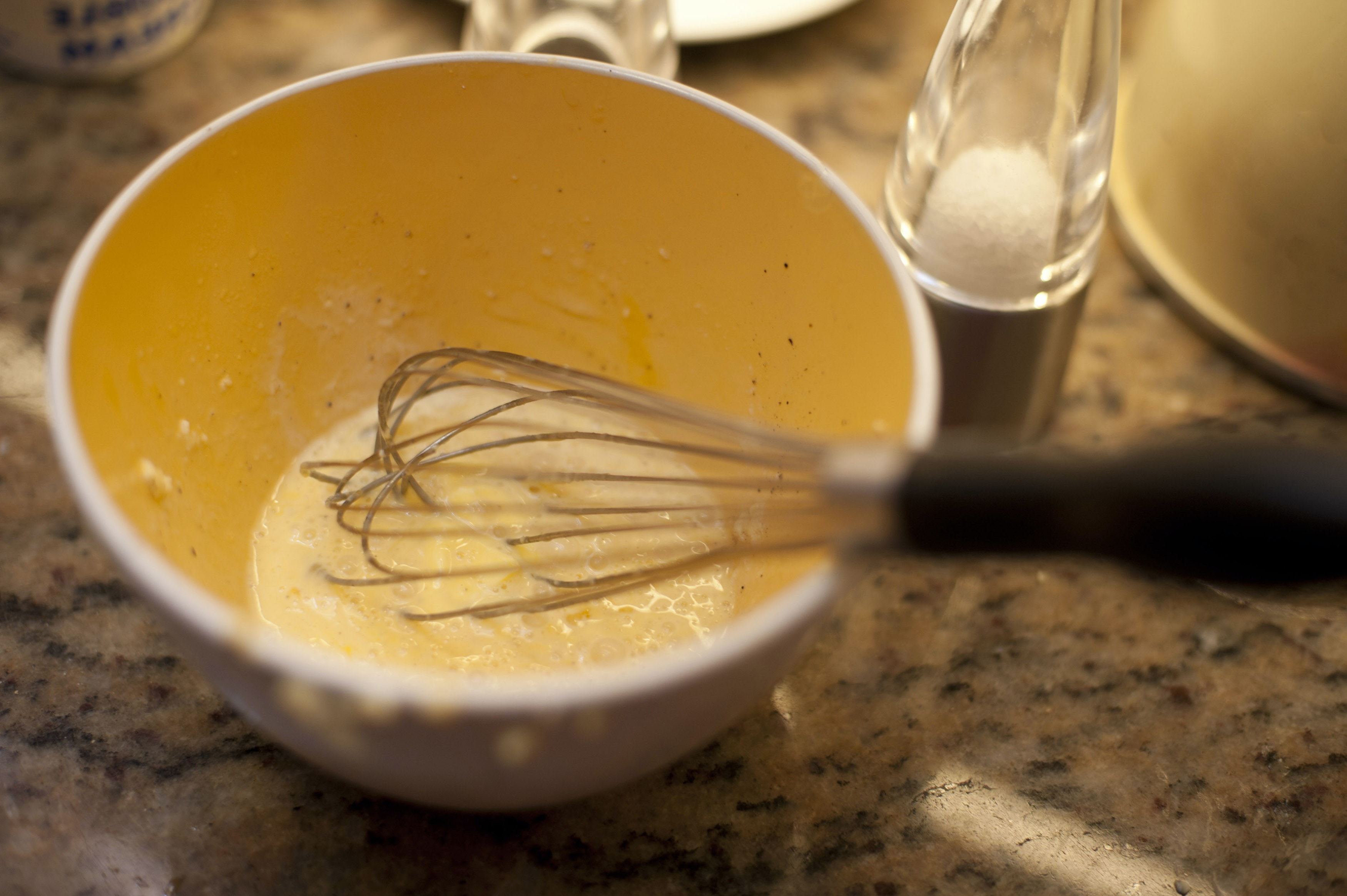
Another thing about cooking from scratch the way grandma used to do it – never follow a recipe exactly. If you’re missing an ingredient substitutes are often fine as long as it’s not your key ingredient such as flour in cookies. Or you can often omit certain ingredients without dire consequences. I baked for years without ever using vanilla in my baking even though nearly every recipe calls for it.
Buy Quality
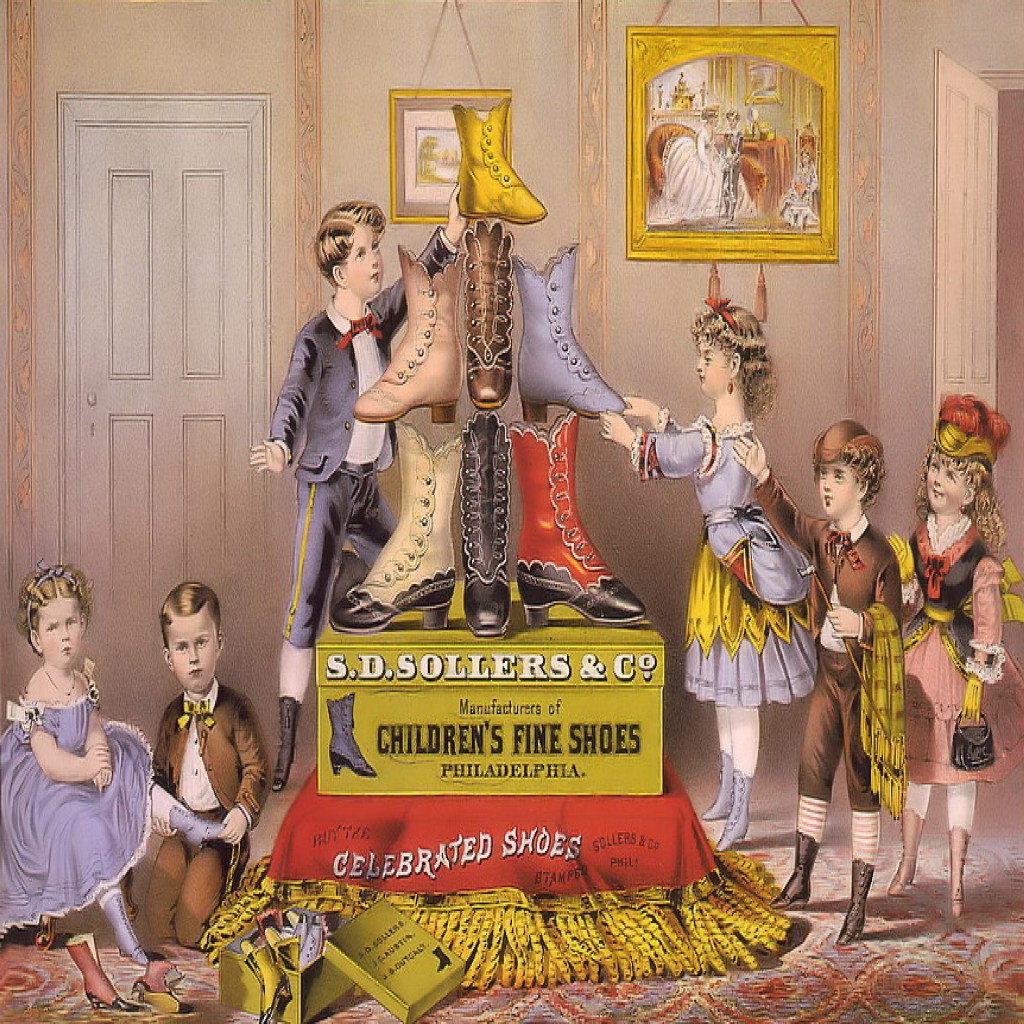
This may seem backward since quality usually costs more. However, quality items also last longer and often work better than cheaper ones. Watch for sales, take your time and get the best quality you can afford. Then make it last. Don’t run out to buy the next new model as soon as it’s available.
When I was a child my mother had a toaster she got as a wedding gift as well as an electric iron and an electric mixer. They were married in 1960 and were still using these things in the late 70s and beyond. Many products we buy today don’t last that long and aren’t made to be repaired. We just throw them in the trash and buy a new one. So wasteful!
Take care of your things
Building on the previous tip this one is how you get those quality products to last a good long time. Take care of everything you own. Keep things clean and in good repair. Fix them if you can and try to make them last.
Years ago when we weren’t such a consumeristic society people couldn’t just go out and buy something new because they were tired of the old one. If there’s nothing wrong with the old one keep using it until you can’t.
That’s my philosophy with cell phones. So many people are always trading up to get the latest and greatest. I’ve been using my current cell phone for 6 years and it still works. It is running low on space, even when I clear out everything I can, but it works so I continue to use it.

Do it yourself
We are often quick to call a repairman to come in and fix our leaking faucet, plugged toilet, or broken dryer. I know not everyone is a handyman but it is worth learning a few basic plumbing and electrical skills so you can fix these minor issues without paying someone else to do it.
If you don’t know how and don’t have a friend who knows how to fix it just take a look on YouTube and I’m sure you’ll find a tutorial or walk-through for just what you need. My sister once had trouble with her gas-powered push mower. It just wouldn’t start. She looked on YouTube and found help. She simply had stale gas and had to empty it and fill it with fresh gas. It worked! Sometimes it’s something very simple that you can easily do yourself and save big money.
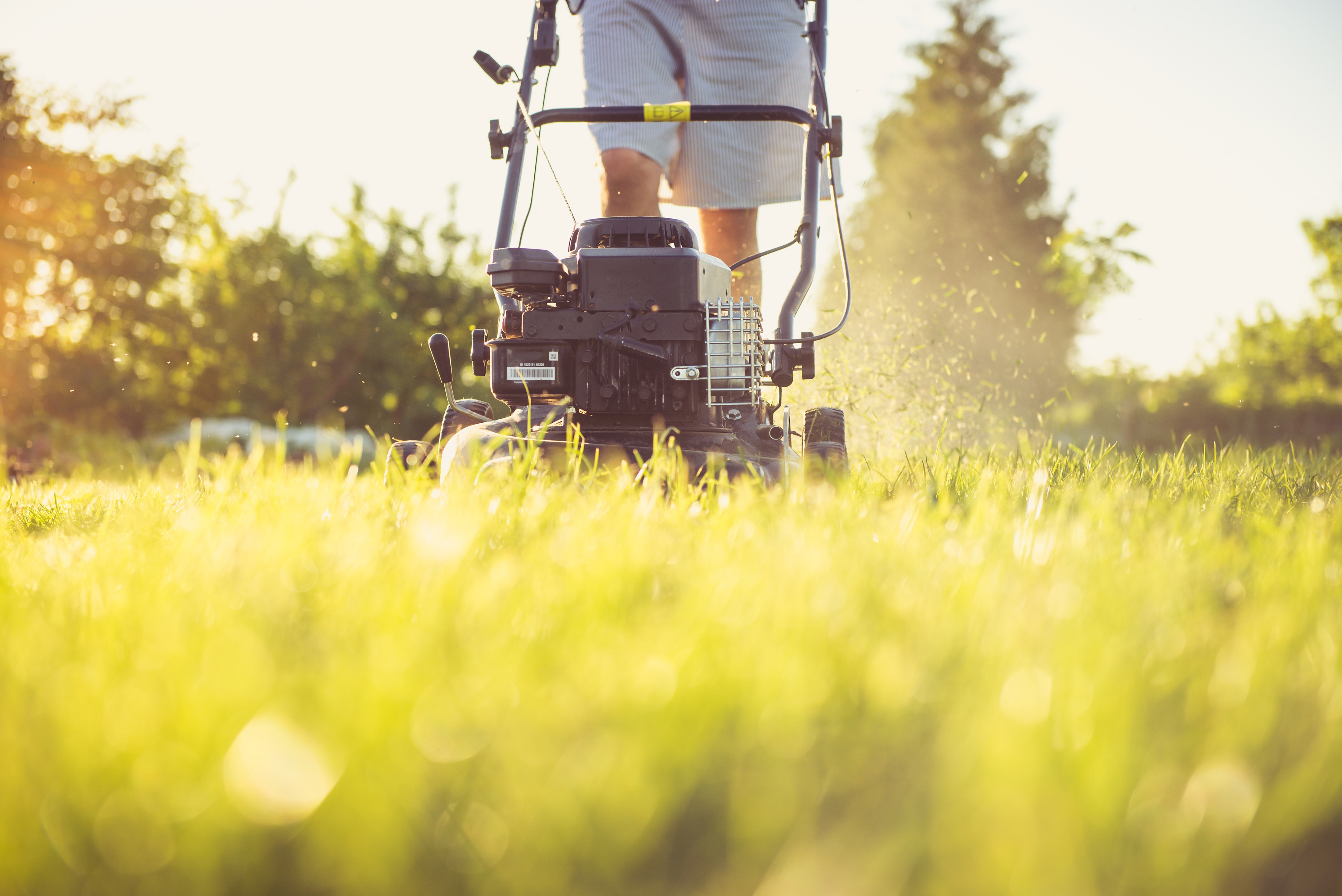
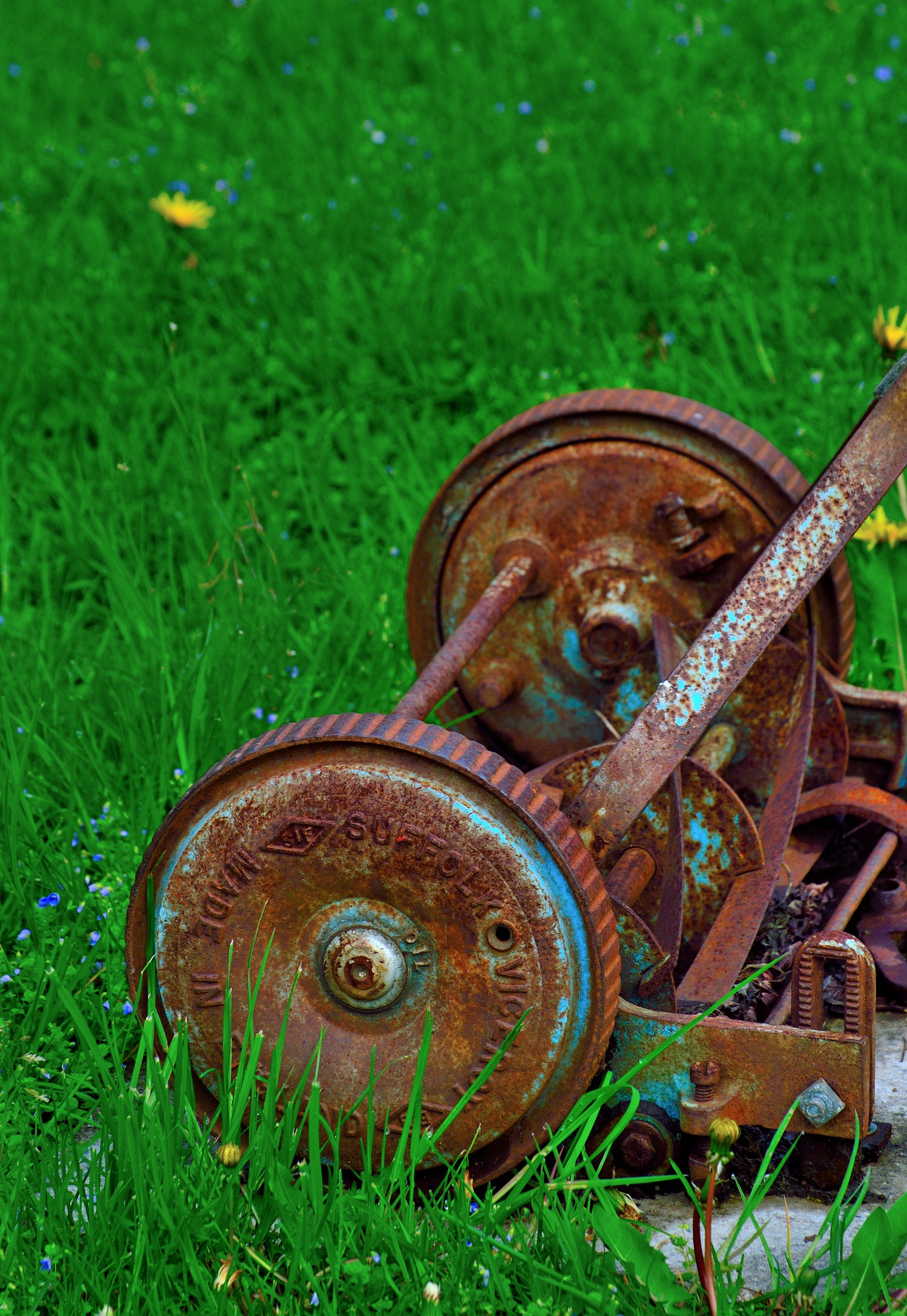
And don’t pay someone to do things you can easily do for yourself like cleaning your house, cutting your lawn, doing your laundry, walking your dog, etc. These are basic things that anyone can do. The depression-era homeowner would never pay someone for these kinds of services. They worked from dawn till dusk and sometimes beyond doing everything that needed doing themselves.
Exercise at home or outside
I think the only gyms that existed in the early 20th century were boxing or wrestling gyms or the gymnasium in a school. People got exercise by doing their work.
Since so many people don’t work at physical labor type jobs we do need to get some exercise outside of work. The most obvious and simplest is to walk. Just go out for a walk as often as you can or want to. There are also parks starting to pop up around with outdoor exercise equipment. Make use of these!


Many years ago I remember a place called a Partci-Park. It had a walking trail through the woods and every so often there would be a place to stop and do some physical challenge that was set up there. I’m sure you can find something to do to get exercise outside and save big.
Save for wants and vacations
As you can imagine people didn’t take a lot of vacations in the early 20th century. And they certainly didn’t have a credit card to purchase big items and ‘wants’. They saved money over time until they could afford to pay cash for more frivolous purchases.
A great bit of advice is ‘if you can’t pay cash you can’t afford it.’ We live by this philosophy now and were even able to purchase a small house a few years back with money we saved over several years. It can be done if you follow a strict budget and put money into savings every month or every paycheck.


Saving takes patience but even on a low income, you can usually put away a little bit each month. Can’t afford a vacation to Hawaii? Go to a hotel nearby, maybe in a neighboring city, or rent a cottage for a weekend. Take a day trip to tourist sites in your area that you may have never seen. Do what you can afford or save a bit longer for something better.
Have you had your eye on a dress or pair of shoes that you just fell in love with but the price is a little out of your reach? Start saving. Put away that credit card. Learn patience by saving even a little at a time. Maybe that will inspire you to save money in other areas so you’ll have the spare cash to put towards your particular ‘want’.
Barter, trade, or swap
This last tip can really help you to save big. It used to be common practice to barter or trade for services. Doctors were paid in chickens or corn, neighbors fixed things for each other, and women created babysitting circles where they all took turns watching each other’s children.
This can still be done today though I doubt your doctor will accept chickens as payment. However, you can still trade off skills. Maybe watch your neighbor’s kids in exchange for some home-baked bread or sweets. If you’re handy, you could get your house cleaned to fix your friend’s washing machine or install his new ceiling fan.

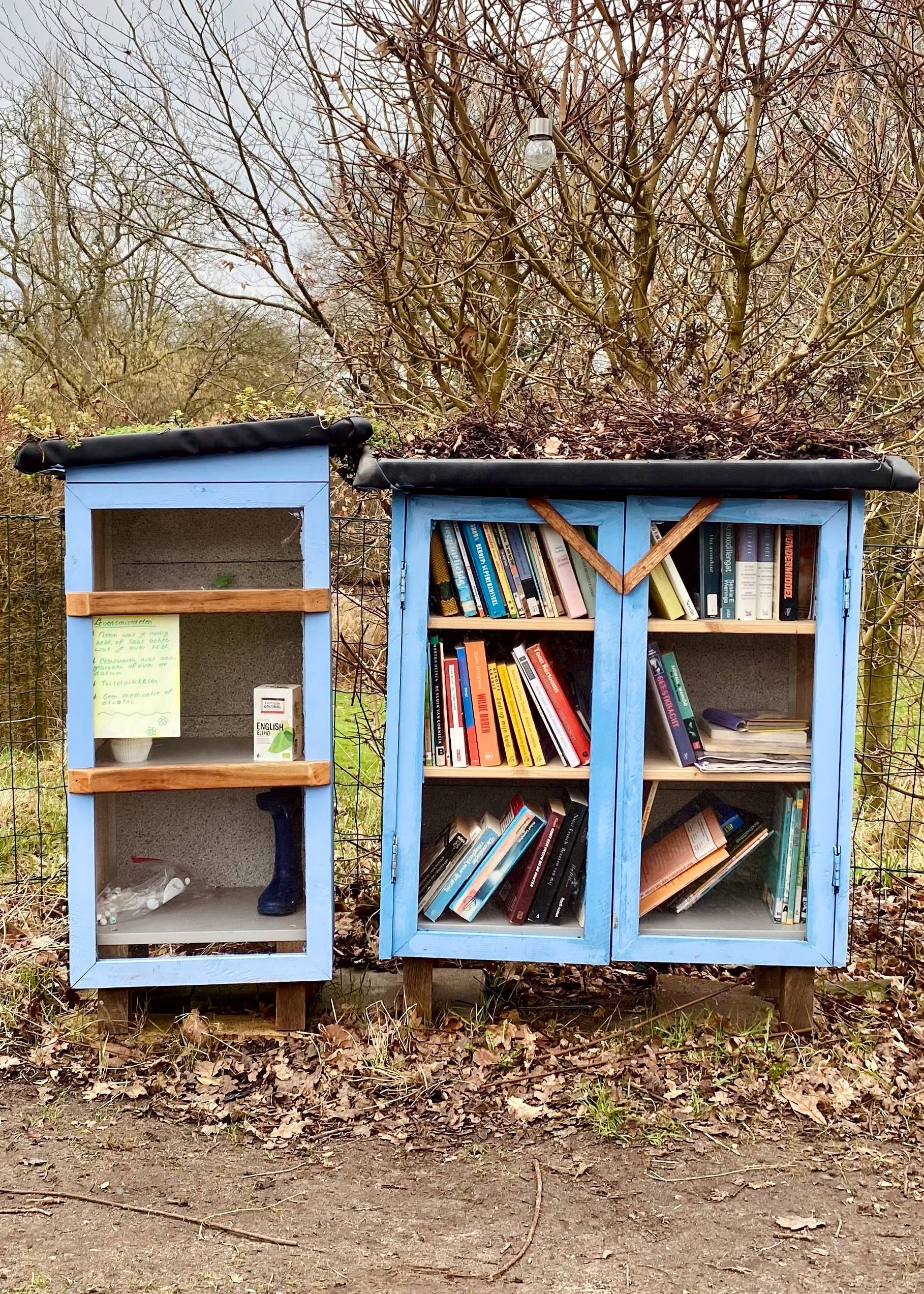
Get to know your neighbors and find out what kind of skills they have, then suggest a barter. You may be pleasantly surprised and save big money when someone offers to mow your lawn each week in exchange for a couple of hours of babysitting each week. Or maybe they have something you need that they would gladly loan to you. Just don’t forget to bring it back.
Conclusion
In the ‘olden days’ people knew their neighbors and their whole community. They shared and helped each other all the time. We’re missing that in many of our communities today. They also knew the value of money and used it wisely. We can learn a lot from the older generations. What kind of money-saving tips have you learned from someone older and wiser? Please share with us in the comments so we can all gain the benefit of their wisdom.


 RazzWorks
Leave a reply to Reduce Waste to Save our Planet – RazzWorks Cancel reply